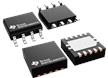

UCC5350MCQDWLRQ1

Texas Instruments
595-UCC5350MCQDWLRQ1
UCC5350MCQDWLRQ1

製造商:

說明:
閘極驅動器 Automotive +/-10A si ngle-channel isolate

壽命週期:
新產品:
該製造商的新產品。
ECAD模型:
下載免費的庫載入器,為ECAD工具轉換此文件。瞭解更多關於 ECAD 型號的資訊。

庫存量: 277

庫存:
277 可立即送貨
工廠前置作業時間:
18 週 工廠預計生產時間數量大於所顯示的數量。
最少: 1   多個: 1
單價:
HK$-.--
總價:
HK$-.--
估計關稅:
包裝:
完整捲(訂購多個500)

Pricing (HKD)

數量 單價
總價
零卷 / MouseReel™
HK$30.00 HK$30.00
HK$22.52 HK$225.20
HK$20.63 HK$515.75
HK$18.58 HK$1,858.00
HK$17.59 HK$4,397.50
完整捲(訂購多個500)
HK$14.06 HK$7,030.00
HK$13.48 HK$13,480.00
HK$13.07 HK$32,675.00
HK$12.99 HK$64,950.00
† HK$55.00 MouseReel™費用將加入您的購物車內並自動計算。所有MouseReel™訂單均不能取消和不能退換。

商品屬性 屬性值 選擇屬性
Texas Instruments
產品類型: 閘極驅動器
RoHS:  
Gate Drivers
Single
SMD/SMT
SOIC-8
1 Driver
1 Output
10 A
3 V
15 V
Non-Inverting
10 ns
10 ns
- 40 C
+ 125 C
UCC5350L-Q1
Reel
Cut Tape
MouseReel
品牌: Texas Instruments
開發套件: UCC5320SCEVM-058
特徵: Isolation Barrier Life
輸入電壓(最大值): 15 V
輸入電壓(最小值): 3 V
邏輯類型: CMOS
濕度敏感: Yes
運作供電電流: 1.67 mA
Pd - 功率消耗 : 1.04 W
產品類型: Gate Drivers
傳輸延遲 - 最大值: 80 ns
關機: No Shutdown
原廠包裝數量: 500
子類別: PMIC - Power Management ICs
技術: SiC
找到產品:
若要顯示類似商品,請選取至少一個核選方塊
至少選中以上一個核取方塊以顯示在此類別中類似的產品。
所選屬性: 0

此功能需要啟用JavaScript。

USHTS:
8542390090
MXHTS:
8542399999
ECCN:
EAR99

UCC5350L-Q1 Single-Channel Isolated Gate Driver

Texas Instruments UCC5350L-Q1 Single-Channel Isolated Gate Driver has a 10A source and 10A sink typical peak current designed to drive MOSFETs, IGBTs, and SiC MOSFETs. The UCC5350L-Q1 has the option for a Miller clamp. The CLAMP pin connects the transistor gate to an internal FET beside the output to prevent a false turn-on caused by the Miller current. The Texas Instruments UCC5350L-Q1 is available in a 14mm wide body SOIC-8 (DWL) package and can support an isolation voltage up to 5kVRMS. The input side is isolated from the output side with SiO2 capacitive isolation technology with a longer than 40-year isolation barrier lifetime. The UCC5350L-Q1 is a good fit for driving IGBTs or MOSFETs in applications such as high-voltage traction inverters and on-board chargers. The device has a lower part-to-part skew, lower propagation delay, higher operating temperature, and higher CMTI than an optocoupler.